
The Electrician Shortage: A High-Voltage Problem
A Cultural Shift Decades in the Making
For the past 30–40 years, the message to young people was clear:
Go to college.
Get a degree.
Work in an office.
Along the way, we quietly stopped encouraging people to become electricians, plumbers, and skilled tradesmen.
Vocational careers were often treated as a fallback rather than a first choice.
Now the bill is coming due.
And the consequences are becoming clear.
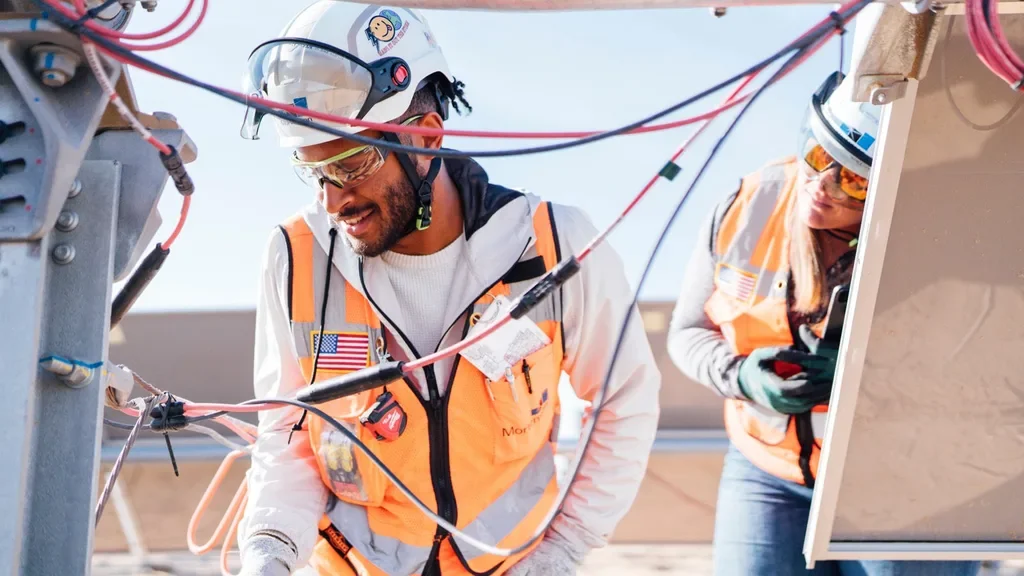
The Irony of the AI Boom
At the same time demand for electrical work is exploding.
Artificial intelligence, cloud computing, renewable energy, EV charging networks, and grid modernization are all massively increasing the need for electrical infrastructure.
In other words, the digital economy still runs on physical power systems.
As Jensen Huang recently noted while discussing the coming wave of AI infrastructure:
“The world is going to build an extraordinary amount of data center infrastructure.”
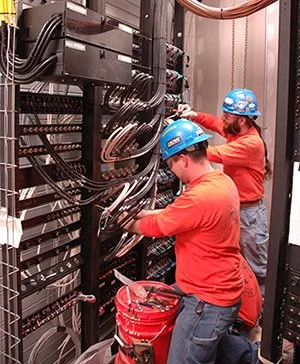
And every one of those facilities needs electricians.
The Opportunity Hiding in Plain Sight
The numbers behind this shortage are striking.
The U.S. will need about 81,000 electricians every year through 2034, driven by both retirements and new demand. At the same time, nearly 30% of the current workforce is approaching retirement age, creating a widening gap between supply and demand.
And demand is accelerating across the economy.
Electrical work is required to build and maintain:
AI data centers
Renewable energy systems
EV charging networks
Grid modernization projects
Residential and commercial construction
Industry estimates suggest the U.S. may need more than 300,000 additional electricians over the next decade.
What was once a quiet workforce trend is quickly becoming a high-voltage issue for the U.S. economy.
The next talent shortage may not be software engineers.
It may be electricians.
The future economy will not just be built by people who write code — it will also be built by people who know how to power the systems that run it.